






KaClima · Kampmann
Chilled and heated water. Matched to your building.
The KaClima range provides chillers and heat pump configurations for hydronic building systems. The correct unit depends on the required operating modes, climate, water temperatures and installation conditions.
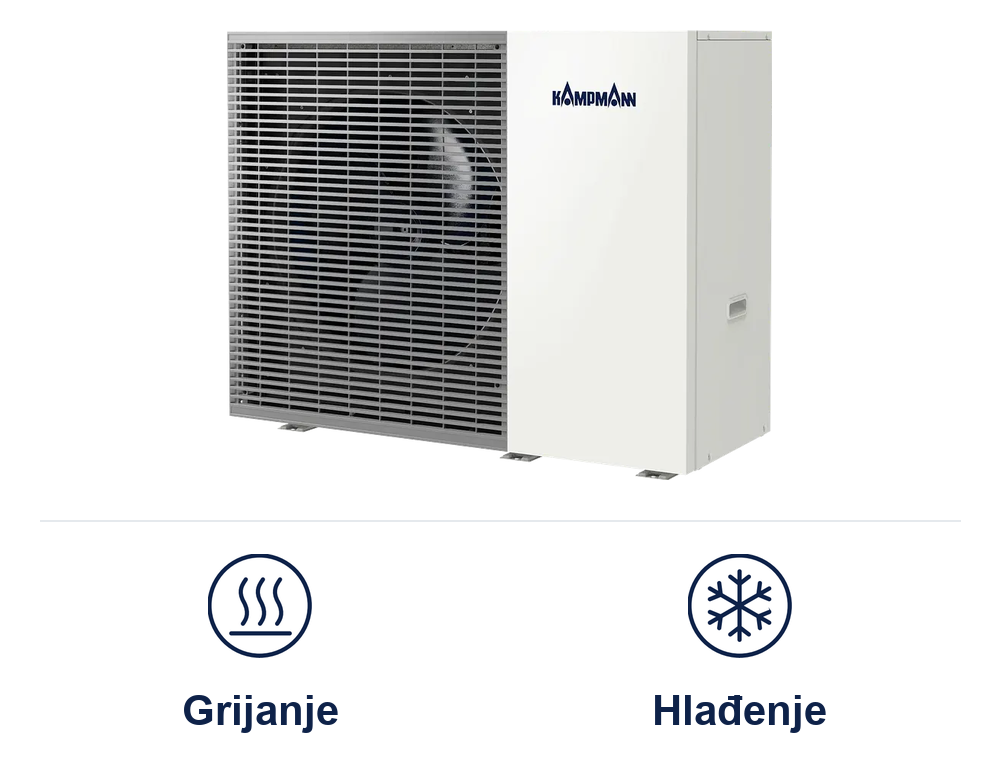
Designed around your project
- Select the model for the actual heating or cooling duty at the project design conditions.
- Coordinate the water circuit, minimum flow, controls and integration with indoor equipment.
- Plan outdoor positioning, sound requirements, service clearances and condensate or defrost water arrangements.
What matters when selecting the unit?
The range includes different models and refrigerants. Use the current data for the exact selection; do not apply the figures or refrigerant of one unit to the entire family.
Product selection with TDC
Send us the room layout, required heating or cooling duty, system temperatures, available installation space and controls requirements. We will help select the equipment and suitable accessories.
Request a quotation Current manufacturer data →
Kampmann documentation and downloads
Dimensions and available versions
The family includes KaClima S, M, L, XL and XXL. Dimensions, weight, support loads and clearances vary substantially by exact model; use the current model drawing.
Technical details
Chillers and heat pump configurations serve hydronic systems. Refrigerants and operating modes vary across the family: information for a reversible R290 model must not be applied automatically to an R32 cooling-only model.
Installation and project planning
Outdoor location, water circuit, minimum flow, controls, sound levels, maintenance space and defrost water arrangements must be coordinated. Compare outputs at the design water and outdoor temperatures.
Benefits
The KaClima range provides chillers and heat pump configurations for hydronic building systems. The correct unit depends on the required operating modes, climate, water temperatures and installation conditions.
Select the model for the actual heating or cooling duty at the project design conditions. Coordinate the water circuit, minimum flow, controls and integration with indoor equipment. Plan outdoor positioning, sound requirements, service clearances and condensate or defrost water arrangements.
Chillers and heat pump configurations serve hydronic systems. Refrigerants and operating modes vary across the family: information for a reversible R290 model must not be applied automatically to an R32 cooling-only model.
Outdoor location, water circuit, minimum flow, controls, sound levels, maintenance space and defrost water arrangements must be coordinated. Compare outputs at the design water and outdoor temperatures.
The family includes KaClima S, M, L, XL and XXL. Dimensions, weight, support loads and clearances vary substantially by exact model; use the current model drawing. The range includes different models and refrigerants. Use the current data for the exact selection; do not apply the figures or refrigerant of one unit to the entire family.
Kampmann offers air-cooled chillers for installation outside and inside up to 170 kW cooling output as standard. Non-standard units are also available with different designs and specifications up to a cooling output of up to 1,600 kW, for example with water-cooled, with integral cooling or with worm or turbo compressor.
A substantial proportion of the weight or space requirement of a chiller is due to the water storage tank required. The weight and space requirement, or the buffer tank, can be significantly reduced or avoided completely thanks to aqualogic. The integral speed-variable pump and special control system reduce the minimum water content in the system.
Refrigerant R410A has a higher volumetric cooling output than R407C for example. Components, like the compressor, can thereby be reduced. The operating weight and dimensions are also reduced by this. The refrigerant is not flammable and has no adverse effects on the ozone when released - this is why it is often known as a safety refrigerant.